Does Fatty Liver Happen Only Because of Alcohol?
When people hear the words “fatty liver,” they often immediately think of alcohol.
But fatty liver does not happen only because of alcohol.
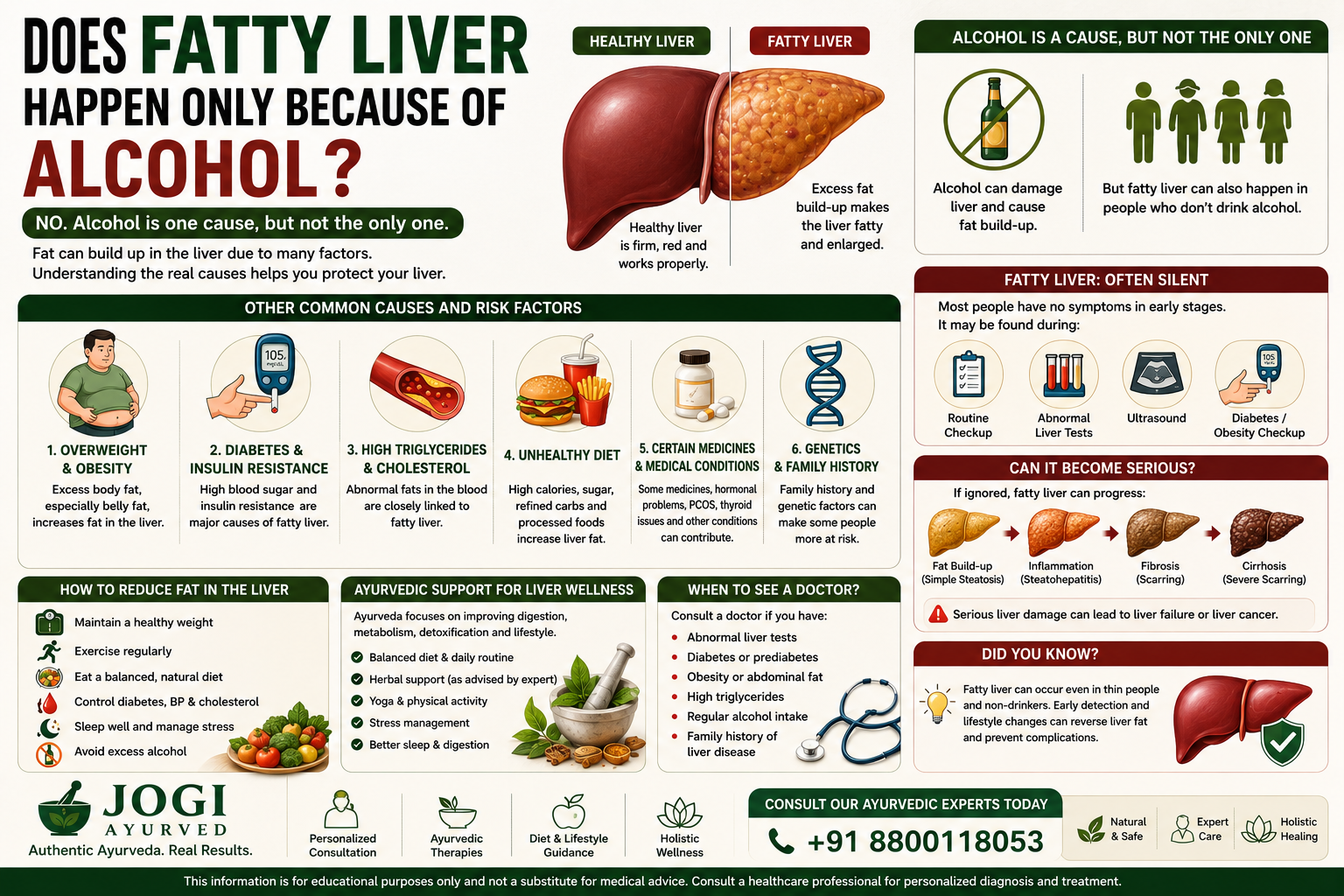
Fat can build up in the liver for several different reasons. Alcohol is one important cause, but metabolic health, excess body weight, insulin resistance, type 2 diabetes, high triglycerides, diet, certain medicines, genetics, and some other medical conditions can also contribute.
Today, the term metabolic dysfunction-associated steatotic liver disease (MASLD) is commonly used for fatty liver associated with metabolic risk factors. Alcohol-associated liver disease is a separate category, although alcohol and metabolic risk factors can sometimes overlap in the same person.
What Is Fatty Liver?
Fatty liver, medically called hepatic steatosis, means that excess fat has accumulated in the liver.
A person may have fatty liver without obvious symptoms. It is often discovered during:
- Routine blood tests
- Abdominal ultrasound
- Health checkups
- Diabetes or obesity evaluation
- Investigation of abnormal liver enzymes
Many people with fatty liver feel completely normal, particularly during the early stages.
Can You Get Fatty Liver Without Drinking Alcohol?
Yes.
A person who never drinks alcohol can still develop fatty liver.
One major form is MASLD, which is strongly associated with metabolic risk factors such as:
- Overweight or obesity
- Increased abdominal fat
- Insulin resistance
- Type 2 diabetes
- High triglycerides
- High cholesterol
- High blood pressure
- Metabolic syndrome
These factors can increase the likelihood of fat accumulating in the liver.
7 Common Causes and Risk Factors for Fatty Liver
1. Overweight and Obesity
Excess body fat, particularly around the abdomen, is strongly associated with metabolic fatty liver disease.
The risk can increase when excess weight occurs together with insulin resistance, high blood pressure, abnormal cholesterol, or diabetes.
2. Insulin Resistance and Diabetes
Insulin resistance can affect how the body stores and uses fat.
People with type 2 diabetes have a higher risk of developing metabolic fatty liver disease.
If you have diabetes, maintaining healthy blood glucose and metabolic health is an important part of liver care.
3. High Triglycerides and Cholesterol
Abnormal blood lipid levels are associated with fatty liver.
High triglycerides, in particular, commonly occur alongside metabolic dysfunction and liver fat accumulation.
4. Unhealthy Diet
A diet high in calories, added sugars, and highly processed foods can contribute to metabolic problems and weight gain.
NIDDK recommends a healthy diet, appropriate portion sizes, and limiting foods and drinks containing large amounts of simple sugars, particularly fructose.
5. Alcohol
Alcohol is an important cause of liver fat accumulation.
Regular heavy alcohol consumption can cause alcohol-associated liver disease, which can progress from fatty liver to more serious liver inflammation and scarring.
However, alcohol is not the only cause of fatty liver.
6. Certain Medicines and Medical Conditions
Fatty liver can sometimes occur because of:
- Certain medicines
- Rapid weight loss
- Malnutrition
- Some genetic conditions
- Certain metabolic disorders
- Exposure to some toxins
The cause should be evaluated by a healthcare professional rather than assumed from symptoms alone.
7. Genetics and Family Risk
Genetic factors can influence a person’s susceptibility to fatty liver.
Some people can develop fatty liver even when they are not overweight and do not have diabetes.
This is one reason why fatty liver should not be considered simply a consequence of alcohol consumption or body weight.
What Is the Difference Between Alcohol-Related and Metabolic Fatty Liver?
Alcohol-Associated Fatty Liver
This is related to harmful or excessive alcohol consumption.
MASLD
This refers to fatty liver associated with metabolic dysfunction and cardiometabolic risk factors, rather than being primarily caused by excess alcohol.
There can also be overlap between alcohol consumption and metabolic risk factors, so a healthcare professional may need to consider both when evaluating fatty liver.
Does Fatty Liver Always Cause Symptoms?
No.
Fatty liver is often a silent condition.
Some people may experience:
- Tiredness
- General discomfort
- Mild discomfort under the right ribs
But many people have no noticeable symptoms.
This is why fatty liver may be discovered unexpectedly during blood tests or an ultrasound.
Can Fatty Liver Become Serious?
In many people, early fatty liver may remain stable. However, some people develop liver inflammation and scarring.
More advanced disease can progress to:
Fat accumulation → inflammation → fibrosis → cirrhosis
Severe liver damage can eventually lead to complications such as liver failure or liver cancer.
The risk of progression varies considerably between individuals.
How Is Fatty Liver Diagnosed?
A healthcare professional may evaluate:
- Medical history
- Alcohol intake
- Weight and waist measurement
- Blood glucose
- HbA1c
- Cholesterol and triglycerides
- Liver enzymes
- Other blood tests
- Abdominal ultrasound or other imaging
Additional tests may be recommended to determine whether there is liver inflammation or fibrosis and to rule out other causes of liver disease.
Can Fatty Liver Improve?
In many people with metabolic fatty liver disease, lifestyle changes can reduce liver fat and help prevent progression.
Important steps may include:
Maintain a Healthy Weight
If you are overweight, gradual weight loss under appropriate medical guidance can help improve fatty liver.
Exercise Regularly
Regular physical activity supports metabolic health.
A common target is at least 150 minutes of moderate exercise per week, depending on your health and fitness level.
Choose a Balanced Diet
Focus on:
- Vegetables
- Fruits in appropriate portions
- Whole grains
- Lentils and beans
- Lean protein
- Nuts and seeds
- Healthy unsaturated fats
Limit:
- Sugary drinks
- Excess added sugar
- Highly processed foods
- Excess saturated fat
- Excess calories
Should You Avoid Alcohol If You Have Fatty Liver?
If you have fatty liver, discuss alcohol use with your healthcare professional.
Alcohol can add additional stress to the liver and may contribute to liver damage, particularly when metabolic liver disease is already present. NIDDK advises people with NAFLD to minimize alcohol use.
Ayurvedic Perspective on Fatty Liver
Ayurveda takes a holistic approach to metabolic and digestive health.
An Ayurvedic practitioner may assess factors such as:
- Diet
- Digestion
- Body constitution
- Weight
- Lifestyle
- Sleep
- Physical activity
- Metabolic health
Traditional Ayurvedic care may emphasize appropriate diet, daily routines, exercise, stress management, and individualized herbal support.
However, Ayurveda should not be presented as a guaranteed cure for fatty liver, and it should not replace appropriate liver evaluation or prescribed medical treatment.
Ayurvedic Lifestyle Support for Liver Wellness
Healthy habits may include:
Eat Fresh, Balanced Food
Prefer freshly prepared meals and reduce excessive fried and highly processed foods.
Control Portion Sizes
Eating more calories than your body needs can contribute to weight gain and metabolic problems.
Stay Physically Active
Walking, yoga, strength training, or other suitable activities can support overall metabolic health.
Manage Stress
Meditation, breathing exercises, and relaxation practices can support general well-being.
Sleep Well
Maintain a consistent sleep routine and aim for adequate sleep.
When Should You See a Doctor?
Consult a healthcare professional if you:
- Have an ultrasound showing fatty liver
- Have persistently abnormal liver enzymes
- Have diabetes or prediabetes
- Have obesity or significant abdominal weight
- Have high triglycerides
- Drink alcohol regularly
- Have a family history of liver disease
Seek urgent medical care if you develop symptoms such as yellowing of the skin or eyes, severe abdominal swelling, confusion, vomiting blood, or black stools, which can indicate serious liver disease.
Frequently Asked Questions
Does fatty liver mean I drink too much alcohol?
No. Fatty liver can occur in people who drink little or no alcohol. Metabolic factors such as obesity, insulin resistance, diabetes, and abnormal blood fats are important causes.
Can a thin person have fatty liver?
Yes. Fatty liver can occur even in people who are not overweight, particularly when genetic or metabolic risk factors are present.
Can diabetes cause fatty liver?
Type 2 diabetes and insulin resistance are important risk factors for metabolic fatty liver disease.
Can fatty liver be reversed naturally?
Lifestyle changes can reduce liver fat and may help prevent progression, particularly in metabolic fatty liver disease. A healthcare professional should guide treatment based on your individual condition.
Is fatty liver dangerous?
Early fatty liver may cause no symptoms, but some people can develop inflammation, fibrosis, cirrhosis, or other serious complications. Proper evaluation helps determine individual risk.
Can Ayurveda treat fatty liver?
Ayurvedic lifestyle and dietary guidance may complement medical care, but there is not enough evidence to claim that Ayurveda alone cures fatty liver. Do not stop prescribed treatment without speaking with your doctor.
Conclusion
Fatty liver does not happen only because of alcohol.
Alcohol is an important cause, but metabolic factors such as overweight, abdominal obesity, insulin resistance, type 2 diabetes, high triglycerides, high blood pressure, diet, genetics, and certain medicines or medical conditions can also contribute.
The good news is that identifying fatty liver early gives you an opportunity to improve your metabolic and liver health through appropriate lifestyle changes and medical guidance.
At JOGI Ayurved, personalized Ayurvedic diet and lifestyle guidance can be used as complementary wellness support alongside appropriate medical evaluation and treatment.
Important Links
- Does Fatty Liver Happen Only Because of Alcohol
- Fatty Liver Without Alcohol
- Fatty Liver Causes
- Non Alcoholic Fatty Liver
- MASLD
- Fatty Liver Disease
- Fatty Liver Causes in Non Drinkers
- Fatty Liver and Diabetes
- Fatty Liver and Obesity
- Fatty Liver and Insulin Resistance
- Fatty Liver Diet
- Ayurvedic Treatment for Fatty Liver
- Fatty Liver Natural Treatment
- Liver Health
- JOGI Ayurved