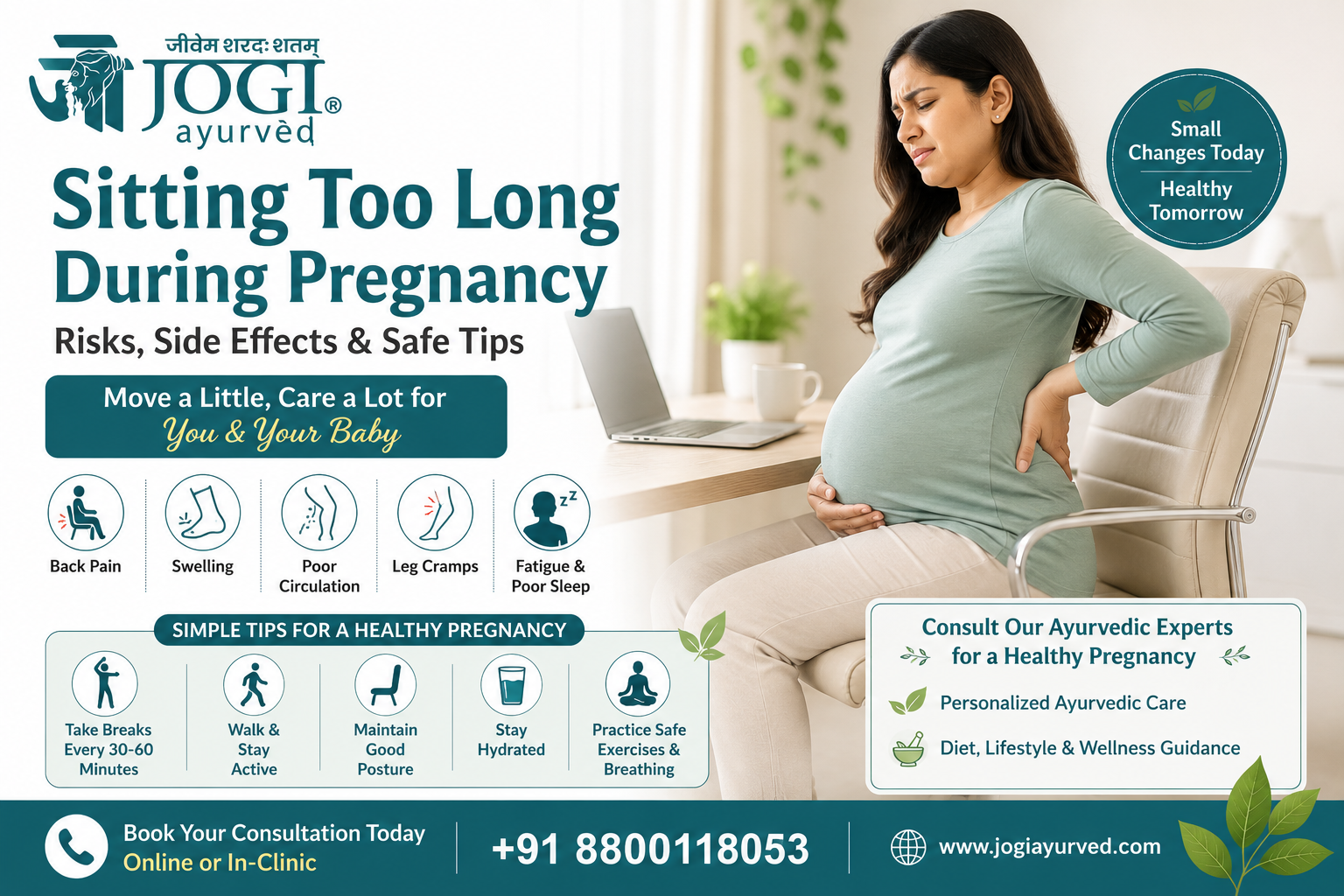
Sitting Too Long During Pregnancy: What Every Expecting Mother Should Know
Pregnancy brings many physical and hormonal changes. As your baby grows, your body works harder to support both you and your developing baby. Many women spend long hours sitting at work, driving, studying, or relaxing at home. While rest is important, remaining seated for long periods without movement may contribute to discomfort and reduced circulation.
Maintaining regular movement, proper posture, and healthy daily habits can support maternal well-being throughout pregnancy. Always discuss your activity level with your obstetrician, especially if you have a high-risk pregnancy or medical complications.
Is Sitting Too Long During Pregnancy Harmful?
Sitting itself is not harmful. However, prolonged uninterrupted sitting may contribute to:
- Back pain
- Neck pain
- Hip stiffness
- Leg swelling
- Poor blood circulation
- Muscle tightness
- Fatigue
- Increased discomfort in late pregnancy
Long periods of inactivity are also associated with general health risks in adults. During pregnancy, staying appropriately active (as advised by your healthcare provider) is generally encouraged.
Possible Risks of Sitting Too Long During Pregnancy
1. Lower Back Pain
As pregnancy progresses, the growing uterus shifts your center of gravity and places additional stress on the lower back. Sitting in one position for hours may worsen discomfort.
2. Neck and Shoulder Pain
Poor posture while working on a computer or using a mobile phone may cause muscle strain and stiffness.
3. Swollen Feet and Ankles
Reduced movement may slow circulation, contributing to fluid accumulation in the legs and feet.
4. Poor Blood Circulation
Regular movement helps promote healthy blood flow. Sitting continuously may reduce circulation in the lower limbs.
5. Leg Cramps
Muscle stiffness and prolonged immobility may increase the likelihood of leg discomfort or cramps in some women.
6. Increased Fatigue
Remaining in one position for long periods may leave you feeling more tired and uncomfortable.
7. Constipation
Physical activity supports healthy bowel function. A sedentary lifestyle may contribute to constipation, which is already common during pregnancy.
8. Increased Risk of Blood Clots
Pregnancy naturally increases the risk of blood clots. Long periods of immobility—such as sitting for several hours without moving—may further increase this risk in some individuals, especially during long-distance travel. If you notice sudden leg swelling, severe pain, chest pain, or shortness of breath, seek immediate medical care.
Warning Signs You Should Not Ignore
Contact your healthcare provider if you experience:
- Severe leg swelling
- Pain in one leg
- Sudden shortness of breath
- Chest pain
- Persistent dizziness
- Severe back pain
- Reduced fetal movements (as advised by your obstetrician)
- Vaginal bleeding
- Severe abdominal pain
Common Causes of Prolonged Sitting During Pregnancy
- Desk jobs
- Work from home
- Long travel
- Bed rest recommendations
- Excess screen time
- Office meetings
- Studying
- Watching television for extended periods
Ayurvedic Perspective
According to Ayurveda, pregnancy care (Garbhini Paricharya) emphasizes balanced nutrition, proper daily routines, adequate rest, and gentle movement suitable for each stage of pregnancy. Maintaining healthy circulation and avoiding excessive physical strain or prolonged inactivity are considered important for maternal comfort and overall well-being.
Every pregnant woman is unique, so lifestyle recommendations should be personalized by a qualified Ayurvedic physician in coordination with her obstetrician.
Safe Sitting Position During Pregnancy
Follow these simple tips:
- Keep your back well supported.
- Sit with both feet flat on the floor or on a footrest.
- Avoid crossing your legs for long periods.
- Keep your knees slightly lower than your hips.
- Use a small lumbar cushion if needed.
- Change your sitting position frequently.
- Stand up and walk every 30–60 minutes if your healthcare provider has not advised bed rest.
Simple Exercises While Sitting
If approved by your healthcare provider, you may perform gentle movements such as:
- Ankle rotations
- Foot pumps
- Gentle shoulder rolls
- Neck stretches
- Wrist stretches
- Deep breathing exercises
Stop immediately if you experience pain, dizziness, contractions, or any unusual symptoms.
Healthy Lifestyle Tips During Pregnancy
- Walk regularly if medically permitted.
- Stay hydrated.
- Eat a balanced diet.
- Maintain good posture.
- Wear comfortable footwear.
- Sleep on your left side when recommended.
- Avoid lifting heavy objects.
- Attend regular prenatal check-ups.
- Follow your doctor’s advice regarding physical activity.
Foods That Support a Healthy Pregnancy
Include a variety of nutritious foods such as:
- Fresh fruits
- Seasonal vegetables
- Whole grains
- Lentils and legumes
- Milk and dairy (if suitable)
- Nuts and seeds
- Iron-rich foods
- Calcium-rich foods
- Protein-rich foods
- Plenty of water
Your diet should be individualized based on your nutritional needs and medical advice.
Foods to Limit
Depending on your healthcare provider’s recommendations, you may need to limit:
- Highly processed foods
- Excess sugar
- Sugary beverages
- Excess salt
- Deep-fried foods
- Excess caffeine
- Alcohol (avoid during pregnancy)
Yoga During Pregnancy
Prenatal yoga should only be performed under professional guidance and after medical approval.
Suitable practices may include:
- Prenatal stretching
- Deep breathing
- Pelvic floor exercises
- Gentle walking
- Relaxation techniques
Avoid strenuous exercises or yoga postures that are not recommended during pregnancy.
Prevention Tips
- Stand up every 30–60 minutes.
- Take short walks throughout the day.
- Stretch regularly.
- Maintain proper sitting posture.
- Stay hydrated.
- Wear loose, comfortable clothing.
- Follow your prenatal exercise plan.
- Avoid sitting continuously during long journeys by taking breaks when possible.
Why Choose JOGI Ayurved?
At JOGI Ayurved, we provide personalized Ayurvedic pregnancy wellness guidance alongside healthy lifestyle recommendations that complement routine prenatal medical care.
Our services include:
- Personalized Ayurvedic consultation
- Pregnancy wellness guidance
- Diet and lifestyle counseling
- Stress management
- Prenatal wellness support
- Online consultation
- In-clinic consultation
Frequently Asked Questions
How long can I sit during pregnancy?
There is no universal limit, but many healthcare providers recommend avoiding prolonged uninterrupted sitting. Standing, stretching, or walking every 30–60 minutes is a practical approach for most healthy pregnancies unless you’ve been advised otherwise.
Can sitting too long harm my baby?
Current evidence does not show that simply sitting harms the baby. However, prolonged inactivity may increase maternal discomfort and affect circulation. Regular movement, when medically appropriate, supports overall maternal health.
Is it safe to work at a desk during pregnancy?
Yes. Most women with uncomplicated pregnancies can continue desk work while maintaining good posture, taking regular movement breaks, and following their healthcare provider’s advice.
Which sitting position is best?
Sit with your back supported, feet flat on the floor, and avoid remaining in the same position for long periods.
When should I seek medical attention?
Contact your healthcare provider immediately if you experience severe swelling, chest pain, sudden shortness of breath, vaginal bleeding, severe abdominal pain, or reduced fetal movements.
Book an Online or In-Clinic Consultation
If you are pregnant and would like personalized guidance on nutrition, lifestyle, posture, or Ayurvedic pregnancy wellness, consult the experienced team at JOGI Ayurved.
We offer:
- Pregnancy wellness consultation
- Personalized diet guidance
- Lifestyle recommendations
- Ayurvedic support
- Online consultation
- In-clinic consultation
Top Ayurveda Doctors


Dr. Chintan Gohil
Ayurved Consultant
Education: (B.A.M.S., MD.AM) Experience: 6 years of experience Specialization : Digestive Disorders, Mental Health, Gynecological Disease, Skin & Hair Disease, Life Style Disease, Joints & Muscle Pain, Sexual Problems, Respiratory Disorders, Neurological Disorders