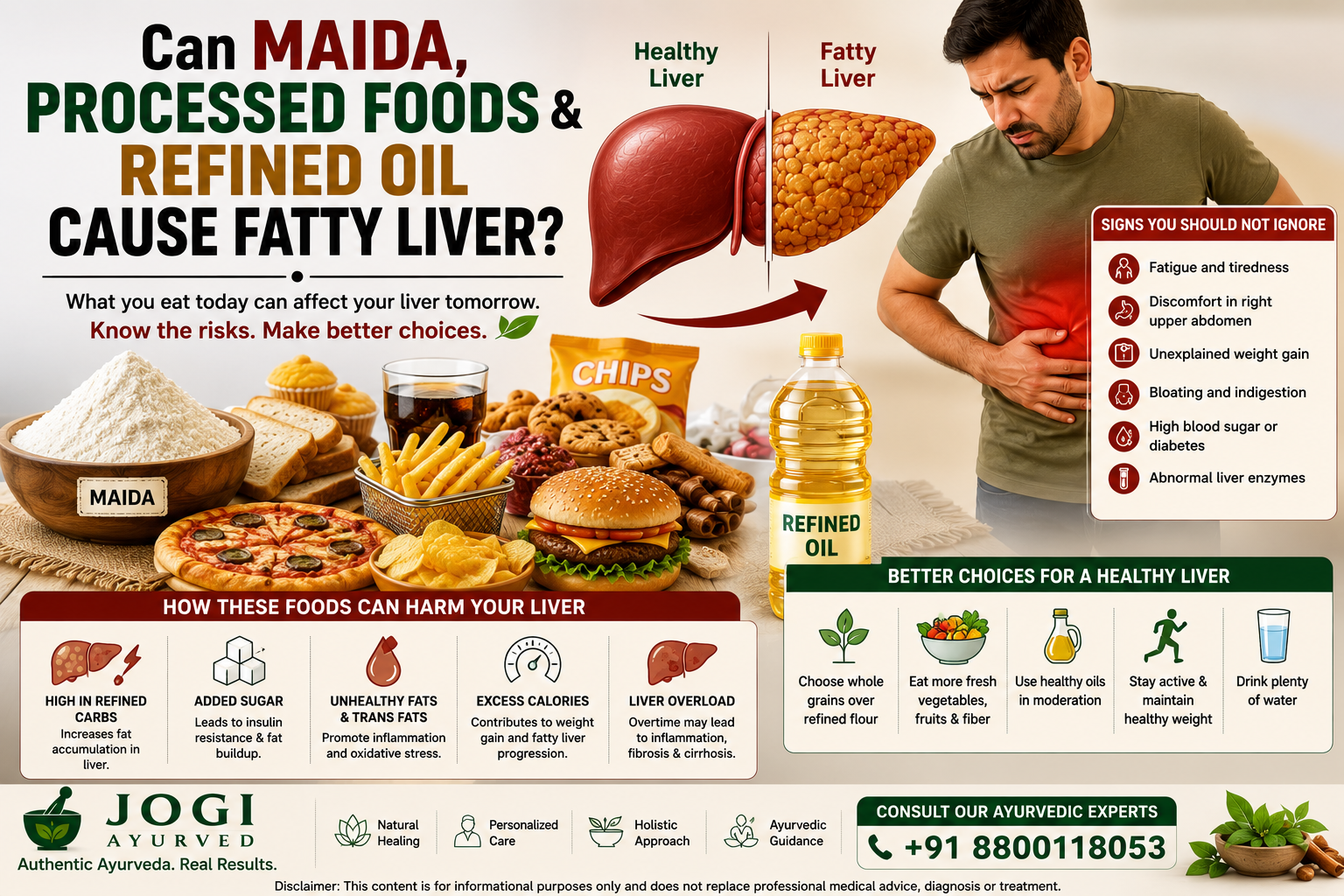
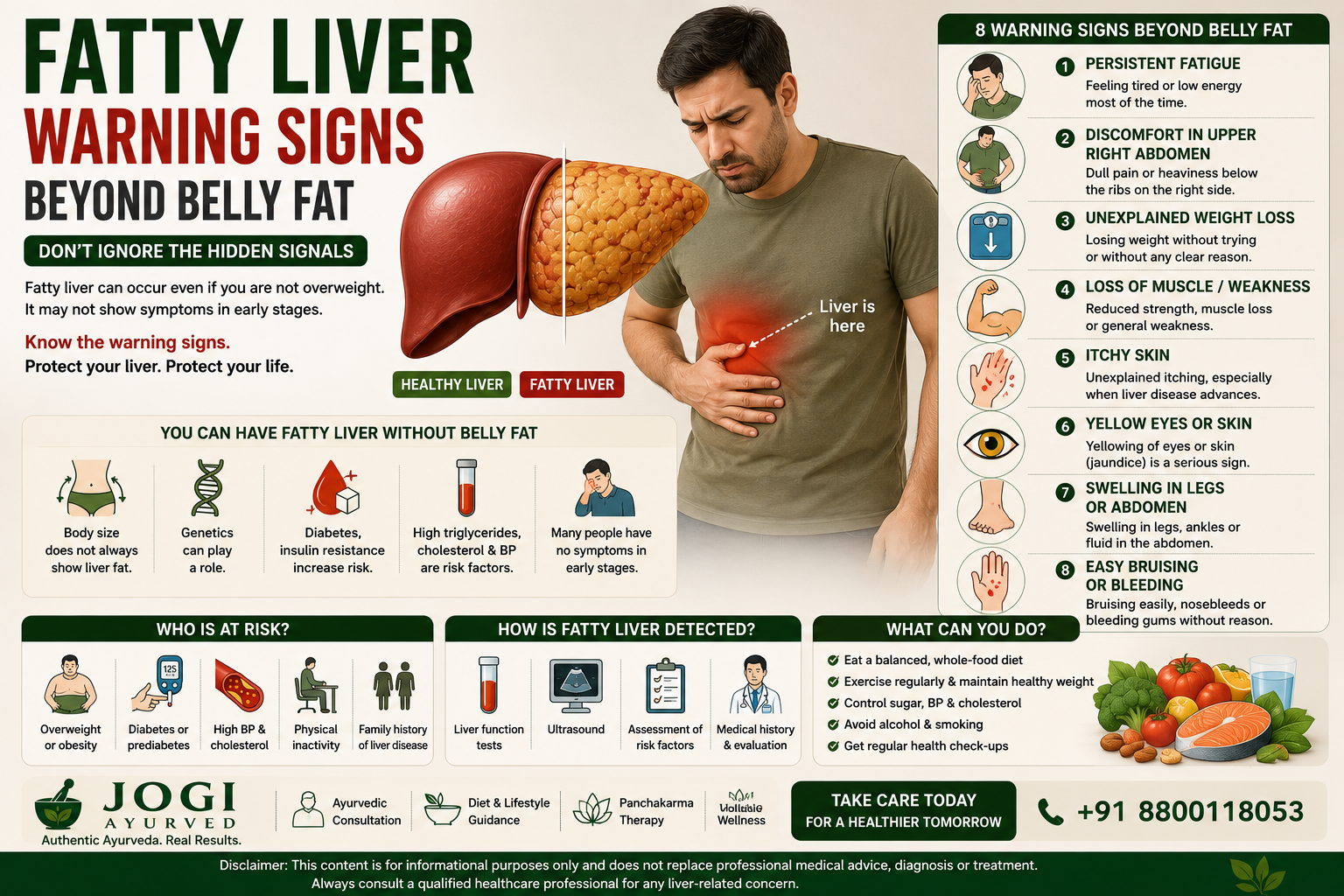
Fatty Liver Warning Signs Beyond Belly Fat
When people think about fatty liver, they often associate it with belly fat or being overweight.
But fatty liver is not always obvious from your appearance.
A person can have excess fat in the liver without a large belly, and many people have few or no symptoms in the early stages. Metabolic dysfunction-associated steatotic liver disease (MASLD), the newer term for what was previously called nonalcoholic fatty liver disease (NAFLD), is often discovered during routine blood tests or imaging.
So, what warning signs should you know?
Let’s look beyond belly fat.
What Is Fatty Liver?
Fatty liver means that excess fat has accumulated in the liver.
One common form is MASLD, which is associated with metabolic risk factors such as:
- Overweight or obesity
- Increased waist circumference
- Insulin resistance
- Type 2 diabetes
- High triglycerides
- Abnormal cholesterol
- High blood pressure
- Metabolic syndrome
However, body size alone does not determine whether someone has fatty liver.
Can You Have Fatty Liver Without Belly Fat?
Yes.
A person can have fatty liver even without obvious abdominal obesity.
Genetic factors, metabolic health, diabetes, cholesterol abnormalities and other factors can contribute to liver fat accumulation. This is why judging liver health simply by looking at your waistline can be misleading.
In fact, some people with fatty liver may look completely healthy.
8 Fatty Liver Warning Signs Beyond Belly Fat
1. Persistent Fatigue
Feeling unusually tired or weak can occur with liver disease.
Fatigue is not specific to fatty liver—it can also result from poor sleep, anemia, thyroid problems, stress, infections and many other conditions.
But if unexplained tiredness persists, it is worth discussing with a healthcare professional.
2. Discomfort on the Upper Right Side of the Abdomen
The liver is located in the upper-right portion of the abdomen.
Some people with fatty liver may experience mild discomfort or a feeling of fullness in this area, particularly when the liver becomes enlarged.
Persistent or severe abdominal pain should not automatically be blamed on fatty liver because many other conditions can cause similar symptoms.
3. Unexplained Weight Loss
Unexpected weight loss is not a typical sign that should be ignored.
Unintentional weight loss can have many causes, but it can occur with more advanced liver disease and other serious medical conditions.
If you are losing weight without intentionally changing your diet or exercise, speak with a healthcare professional.
4. Loss of Muscle or Weakness
Advanced liver disease can be associated with muscle loss and weakness.
This is different from losing weight intentionally through a healthy diet and exercise program.
If you notice unexplained weakness, reduced muscle mass, or significant changes in physical strength, medical evaluation is appropriate.
5. Itchy Skin
Persistent itching can occur in some forms of liver disease, particularly when liver disease becomes more advanced.
Itching has many possible causes, so it does not mean you automatically have fatty liver.
However, unexplained severe itching combined with other liver-related symptoms deserves medical evaluation.
6. Yellow Eyes or Skin
One of the more important warning signs of significant liver or bile-related disease is jaundice.
You may notice:
- Yellowing of the whites of the eyes
- Yellowish skin
- Dark urine
Jaundice should not be ignored and requires medical assessment.
It does not mean that ordinary early fatty liver has suddenly become severe, but it can indicate significant liver or biliary disease that needs evaluation.
7. Swelling in the Legs or Abdomen
Swelling of the:
- Ankles
- Feet
- Legs
or fluid accumulation in the abdomen, known as ascites, can occur in advanced liver disease.
These are not typical early symptoms of simple fatty liver.
If you develop new abdominal swelling or significant leg swelling, consult a healthcare professional promptly.
8. Easy Bruising or Bleeding
Easy bruising or unusual bleeding can occur when liver disease becomes advanced.
The liver plays an important role in producing proteins involved in blood clotting, and advanced liver dysfunction can affect this process.
Unexplained frequent bruising or bleeding should be medically evaluated.
The Most Important Point: Fatty Liver Can Be Silent
Perhaps the biggest warning sign is actually having no warning signs at all.
MASLD is often a silent condition, and some people may have no noticeable symptoms even when liver disease has progressed.
That is why people with metabolic risk factors may need appropriate evaluation even if they feel completely healthy.
Belly Fat Is Only One Piece of the Puzzle
A large waist circumference can be a metabolic risk factor, but it is not a diagnostic test for fatty liver.
Consider the bigger picture:
Belly fat + high blood sugar + high triglycerides + high BP + insulin resistance
can indicate increased metabolic risk.
But someone without obvious belly fat can still have metabolic problems or fatty liver.
Who May Be at Higher Risk?
You may have a higher risk of MASLD if you have:
Type 2 Diabetes
Insulin resistance and type 2 diabetes are important risk factors.
Overweight or Obesity
Excess body weight is strongly associated with metabolic fatty liver.
High Triglycerides
Abnormal blood fats can occur alongside liver fat accumulation.
High Blood Pressure
Hypertension is one of the cardiometabolic risk factors associated with MASLD.
Abnormal Cholesterol
High LDL, high total cholesterol or low HDL can occur alongside metabolic dysfunction.
Large Waist Circumference
Abdominal obesity is an important metabolic risk marker.
What Tests Can Detect Fatty Liver?
If fatty liver is suspected, a healthcare professional may evaluate:
- Medical history
- Weight and waist circumference
- Blood glucose
- HbA1c
- Lipid profile
- Liver enzymes
- Other blood tests
- Abdominal ultrasound
- Other liver imaging
- Fibrosis assessment when appropriate
Doctors use medical history, physical examination, blood tests and imaging to evaluate fatty liver and assess whether there may be liver damage or fibrosis.
Importantly, normal liver enzymes do not necessarily mean that there is no liver disease. A healthcare professional may need to consider the complete clinical picture.
Fatty Liver Is Not the Same as Liver Failure
Finding fatty liver on an ultrasound does not automatically mean that your liver is failing.
There is a spectrum of liver disease.
A simplified progression can look like:
Liver fat → inflammation in some people → fibrosis → cirrhosis in some people
Most people with simple fatty liver do not necessarily progress to severe liver disease. However, some people develop inflammation and scarring that can eventually lead to cirrhosis.
This is why identifying risk factors and assessing liver health is important.
What Are the Serious Warning Signs?
Seek prompt medical attention if you develop:
- Yellow eyes or skin
- Significant abdominal swelling
- Severe or persistent abdominal pain
- Confusion or unusual changes in alertness
- Vomiting blood
- Black or bloody stools
- Significant unexplained weight loss
- Severe weakness
- Easy or unexplained bleeding
Some of these symptoms can indicate advanced liver disease or another serious condition.
Can Fatty Liver Improve?
For many people with metabolic fatty liver disease, lifestyle changes can help reduce liver fat and improve metabolic health.
Important steps include:
1. Maintain a Healthy Weight
If you are overweight, gradual and sustainable weight loss may improve liver health.
Avoid crash diets or extreme fasting without professional guidance.
2. Reduce Excess Sugar
Pay particular attention to:
- Sugary soft drinks
- Sweetened beverages
- Excess sweets
- Highly processed foods
NIDDK recommends limiting foods and drinks containing large amounts of simple sugars, particularly fructose.
3. Eat More Whole Foods
Build your meals around:
- Vegetables
- Whole grains
- Pulses
- Appropriate protein
- Nuts and seeds
- Healthy unsaturated fats
- Whole fruits in appropriate portions
4. Exercise Regularly
Walking, cycling, swimming, strength training and other suitable physical activities can support metabolic health.
Choose an activity level appropriate for your age and health status.
5. Manage Diabetes and Blood Pressure
If you have diabetes, prediabetes, high blood pressure or abnormal cholesterol, managing these conditions is an important part of reducing overall metabolic and cardiovascular risk.
Ayurvedic Perspective on Fatty Liver
Ayurveda traditionally takes a holistic approach to diet, digestion, lifestyle and metabolic wellness.
An Ayurvedic practitioner may consider:
- Dietary habits
- Digestion
- Daily routine
- Physical activity
- Sleep
- Stress
- Body constitution
- Existing health conditions
Ayurvedic lifestyle guidance may complement a medically appropriate liver-health plan.
However, Ayurveda should not be promoted as a guaranteed cure for fatty liver, and prescribed medical treatment should not be stopped without professional advice.
Simple Ayurvedic-Inspired Habits for Liver Wellness
Choose Freshly Prepared Food
Reduce frequent consumption of heavily fried and highly processed foods.
Eat Appropriate Portions
Large portions can contribute to excess calorie intake and weight gain.
Include Vegetables
Make vegetables a regular part of your meals.
Stay Active
Regular walking and suitable exercise can support metabolic health.
Maintain a Consistent Sleep Routine
Adequate sleep is part of a healthy lifestyle.
Manage Stress
Yoga, meditation and breathing exercises may support relaxation and overall well-being.
Frequently Asked Questions
Can fatty liver occur without belly fat?
Yes. Fatty liver can occur in people without obvious abdominal obesity. Metabolic factors, genetics and other health conditions can influence risk.
What is the first warning sign of fatty liver?
There may be no noticeable warning sign. When symptoms occur, fatigue and discomfort in the upper-right abdomen are among those reported.
Can fatty liver cause tiredness?
Fatigue can occur in people with fatty liver, but it is a nonspecific symptom with many possible causes.
Does fatty liver cause yellow eyes?
Simple early fatty liver does not typically cause jaundice. Yellow eyes or skin can indicate significant liver or biliary disease and should be medically evaluated.
Can a thin person have fatty liver?
Yes. Being thin does not completely eliminate the possibility of fatty liver or metabolic dysfunction.
Is fatty liver dangerous?
Fatty liver can be mild, but some people develop inflammation and fibrosis that can progress to cirrhosis and other complications.
Can Ayurveda cure fatty liver?
Ayurvedic diet and lifestyle guidance may complement appropriate medical care, but there is not enough evidence to claim that Ayurveda alone cures fatty liver.
Conclusion
Fatty liver is not simply a “belly fat problem.”
You can have fatty liver without obvious abdominal obesity, and the condition may remain silent for a long time.
Warning signs such as persistent fatigue, right-upper abdominal discomfort, unexplained weight loss, muscle weakness, jaundice, swelling, itching, or unusual bleeding should not be ignored—especially when metabolic risk factors are present.
The best approach is not to wait for symptoms. If you have diabetes, high triglycerides, obesity, high blood pressure, abnormal liver tests, or other risk factors, discuss appropriate liver evaluation with a healthcare professional.
At JOGI Ayurved, personalized Ayurvedic diet and lifestyle guidance can be used as complementary wellness support alongside appropriate medical evaluation.
Important Links
- Fatty Liver Warning Signs
- Fatty Liver Symptoms
- Fatty Liver Warning Signs Beyond Belly Fat
- Fatty Liver Without Belly Fat
- Fatty Liver Symptoms in Adults
- Early Fatty Liver Symptoms
- Fatty Liver Signs
- MASLD Symptoms
- Fatty Liver and Diabetes
- Fatty Liver and Obesity
- Fatty Liver and High BP
- Fatty Liver and High Triglycerides
- Liver Health
- Ayurvedic Treatment for Fatty Liver
- JOGI Ayurved
References:
- Fatty liver — symptoms, causes and treatment | healthdirect
- Non-alcoholic fatty liver disease: pathophysiological concepts and treatment options – PMC
- Non-alcoholic fatty liver disease: A patient guideline – ScienceDirect
- Fatty Liver Diet: What Foods to Eat and Avoid
- Ayurveda management against Non-Alcoholic Fatty Liver Disease: A Case Report
- Ayurvedic management of Non-Alcoholic Fatty Liver Disease (NAFLD) with biochemical and symptomatic outcomes: A case study
- Prevention and to stop the progression of fatty liver diseases: Evidence of ayurveda in hand – J Prev Med Holist Health
- Ayurvedic Perspective of Non-Alcoholic Fatty Liver Disease (Yakritodara): A Comprehensive Review