Ayurvedic Treatment for Thyroid Disorders: Natural & Holistic Thyroid Care
The thyroid gland plays a vital role in regulating metabolism, energy production, body temperature, heart function, digestion, and hormonal balance. When the thyroid gland produces either too little or too much thyroid hormone, it can lead to various health concerns that affect the entire body.
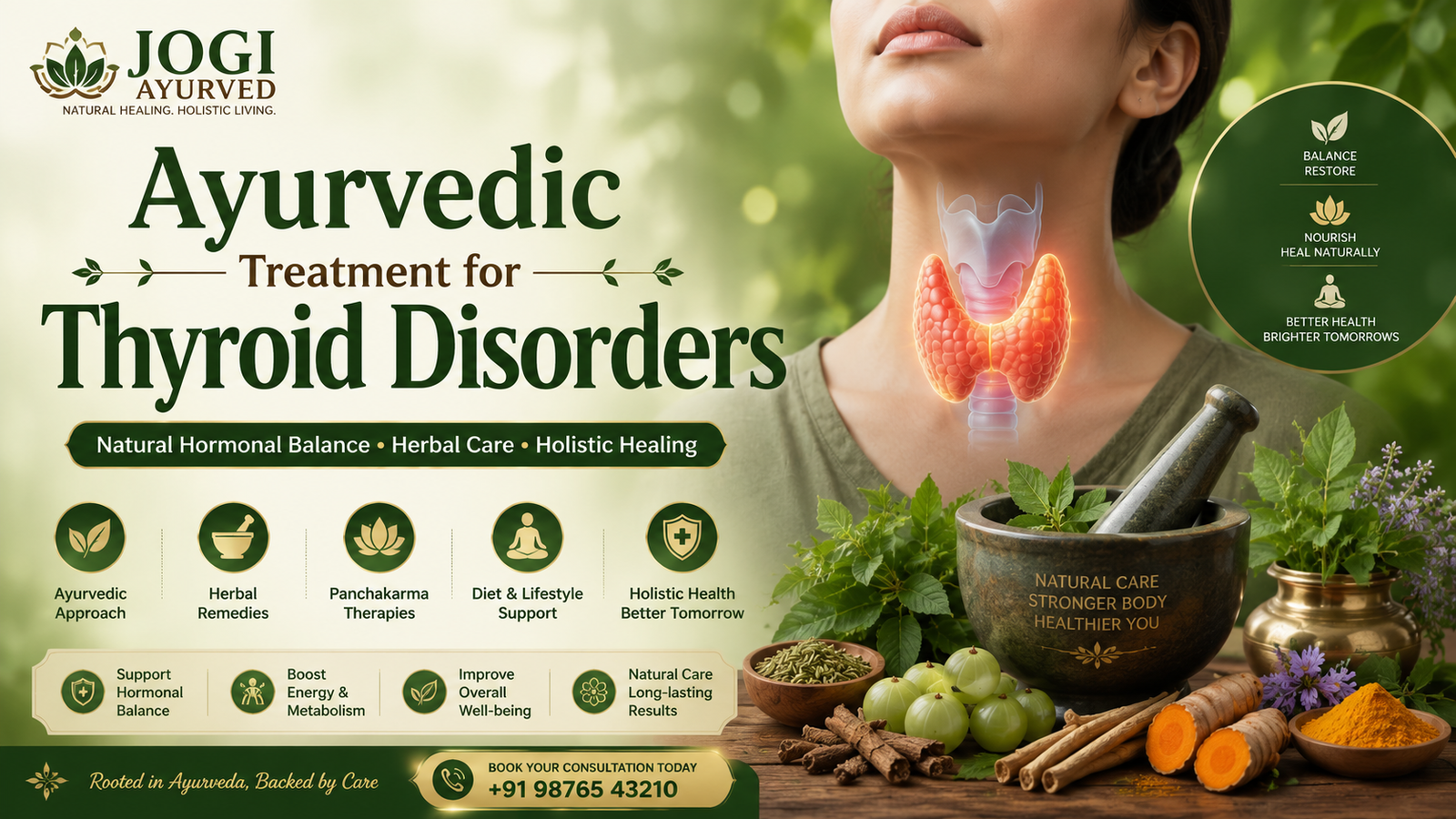
Ayurveda approaches thyroid disorders by focusing on restoring the body’s natural balance rather than treating only the symptoms. Through personalized herbal medicines, Panchakarma therapies, diet, yoga, and lifestyle modifications, Ayurveda aims to improve overall metabolic health and well-being.
At JOGI Ayurved, our experienced Ayurvedic doctors provide individualized treatment plans designed to support healthy thyroid function while promoting long-term wellness.
What are Thyroid Disorders?
The thyroid is a butterfly-shaped gland located in the front of the neck. It produces hormones that regulate metabolism and influence nearly every organ in the body.
Common thyroid disorders include:
- Hypothyroidism (Underactive Thyroid)
- Hyperthyroidism (Overactive Thyroid)
- Autoimmune Thyroid Disorders
- Thyroid Enlargement (Goiter)
- Thyroid Nodules
Proper diagnosis and regular monitoring are important for effective management.
Symptoms of Thyroid Disorders
Symptoms vary depending on whether the thyroid is underactive or overactive.
Common Symptoms of Hypothyroidism
- Fatigue
- Weight gain
- Constipation
- Dry skin
- Hair loss
- Cold intolerance
- Slow heartbeat
- Depression
- Puffy face
- Muscle weakness
- Irregular menstrual cycles
Common Symptoms of Hyperthyroidism
- Weight loss
- Rapid heartbeat
- Anxiety
- Tremors
- Excessive sweating
- Heat intolerance
- Increased appetite
- Difficulty sleeping
- Nervousness
- Frequent bowel movements
Persistent symptoms should always be evaluated by a qualified healthcare professional.
Causes of Thyroid Disorders
Several factors may contribute to thyroid imbalance.
Medical Causes
- Autoimmune disorders
- Hormonal imbalance
- Iodine deficiency or excess
- Thyroid inflammation
- Genetic factors
- Certain medications
Lifestyle Factors
- Chronic stress
- Poor nutrition
- Lack of exercise
- Sleep disturbances
- Obesity
- Environmental factors
Thyroid Disorders in Ayurveda
Ayurvedic classics do not describe thyroid disorders using modern medical terminology. However, their symptoms can be understood through the concepts of:
- Dosha imbalance
- Agnimandya (Weak Digestive Fire)
- Ama (Toxin accumulation)
- Kapha imbalance
- Vata imbalance
- Meda Dhatu disorders
- Rasavaha and Medovaha Srotas imbalance
Ayurveda views thyroid dysfunction as a systemic imbalance affecting metabolism, digestion, and tissue nourishment.
Ayurvedic Perspective of Thyroid Disorders
According to Ayurveda, unhealthy eating habits, stress, sedentary lifestyle, poor digestion, and toxin accumulation disturb the body’s natural equilibrium.
These factors may lead to:
- Impaired digestion
- Sluggish metabolism
- Hormonal imbalance
- Reduced tissue nourishment
- Accumulation of toxins
- Dosha imbalance
Treatment focuses on restoring digestive strength, balancing doshas, and supporting overall metabolic function.
Ayurvedic Treatment Approach for Thyroid Disorders
Every treatment plan is personalized after a comprehensive Ayurvedic assessment.
1. Ayurvedic Consultation
Your physician evaluates:
- Body Constitution (Prakriti)
- Dosha imbalance
- Medical history
- Thyroid function reports
- Digestive health
- Lifestyle
- Stress levels
- Sleep quality
2. Ayurvedic Herbal Medicines
Based on individual assessment, your doctor may prescribe herbal formulations containing ingredients such as:
- Kanchanar
- Guggulu
- Ashwagandha
- Brahmi
- Guduchi (Giloy)
- Punarnava
- Triphala
- Turmeric
- Amla
- Shatavari (when appropriate)
Herbal medicines should always be taken under the supervision of a qualified Ayurvedic practitioner.
3. Panchakarma Therapy
Selected patients may benefit from Panchakarma therapies.
Possible therapies include:
- Abhyanga
- Swedana
- Virechana
- Basti
- Nasya
Potential benefits may include:
- Detoxification
- Improved metabolism
- Better digestion
- Stress reduction
- Enhanced circulation
- Overall wellness support
Suitability depends on individual evaluation.
4. Personalized Ayurvedic Diet
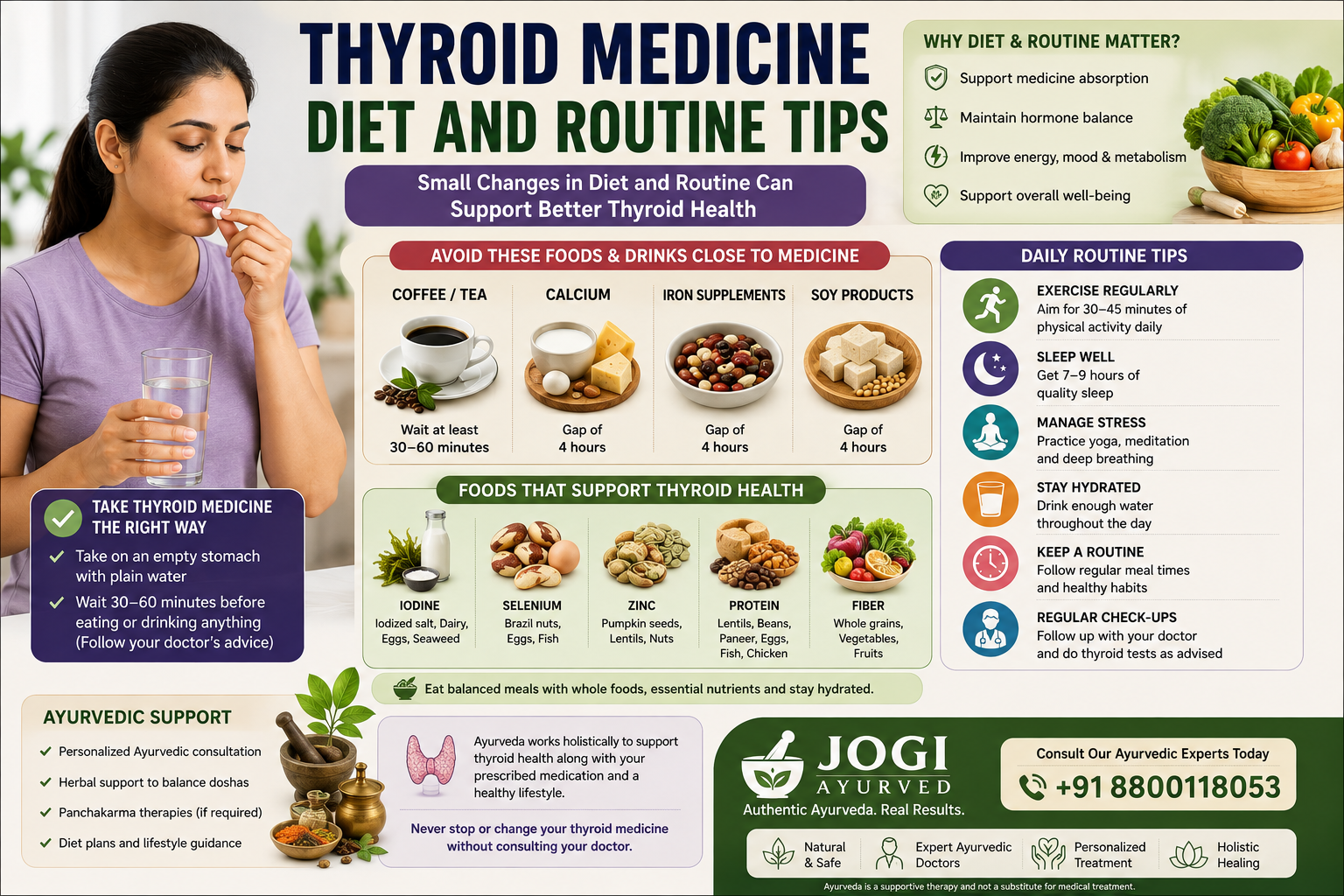
A healthy diet plays an important role in thyroid management.
Recommended foods:
- Fresh vegetables
- Seasonal fruits
- Whole grains
- Millets
- Lentils
- Healthy fats
- Protein-rich foods
- Warm freshly prepared meals
Limit:
- Highly processed foods
- Refined sugar
- Excess fried foods
- Sugary beverages
- Excess junk food
Diet recommendations should be individualized based on your condition and nutritional needs.
5. Lifestyle Management
Healthy habits support overall hormonal balance.
Recommended practices:
- Daily exercise
- Regular walking
- Stress management
- Adequate sleep
- Yoga
- Meditation
- Weight management
- Consistent meal timings
Yoga for Thyroid Health
Yoga may support flexibility, stress reduction, and overall wellness.
Commonly recommended practices include:
- Bhujangasana
- Matsyasana
- Setu Bandhasana
- Sarvangasana (only under expert guidance)
- Ustrasana
- Surya Namaskar
- Anulom Vilom
- Bhramari Pranayama
- Ujjayi Pranayama
Practice under professional supervision, particularly if you have underlying medical conditions.
Benefits of Ayurvedic Thyroid Management
A personalized Ayurvedic plan may help:
- Support healthy metabolism
- Improve energy levels
- Enhance digestion
- Promote weight management
- Reduce stress
- Improve sleep quality
- Support hormonal balance
- Enhance overall well-being
- Improve quality of life
Results vary from person to person.
Who Can Benefit?
Ayurvedic care may be suitable for people experiencing:
- Hypothyroidism
- Hyperthyroidism
- Early thyroid imbalance
- Weight changes
- Fatigue
- Hormonal imbalance
- Stress-related metabolic concerns
- Autoimmune thyroid conditions (alongside conventional medical care)
Lifestyle Advice for Thyroid Disorders
For better long-term health:
- Eat nutritious, balanced meals.
- Exercise regularly.
- Sleep 7–8 hours each night.
- Practice yoga and meditation.
- Manage stress effectively.
- Avoid smoking.
- Limit alcohol intake.
- Maintain a healthy weight.
- Take prescribed medications as directed.
- Monitor thyroid function regularly.
Why Trust JOGI Ayurved for Thyroid Disorder Treatment?
At JOGI Ayurved, we are committed to delivering authentic, personalized Ayurvedic healthcare rooted in classical Ayurvedic principles and modern clinical practice. Our treatment plans are designed after a comprehensive assessment of each patient’s body constitution (Prakriti), current health condition (Vikriti), medical history, lifestyle, and diagnostic reports.
Experienced Ayurvedic Doctors
Our consultations are provided by qualified Ayurvedic physicians with years of experience in managing chronic lifestyle and metabolic disorders, including thyroid disorders, diabetes, PCOS, digestive conditions, joint pain, and stress-related illnesses. Every treatment plan is tailored to the individual rather than using a one-size-fits-all approach.
Personalized Treatment Approach
Every patient receives an individualized wellness plan that may include:
- Detailed Ayurvedic consultation
- Dosha and Prakriti assessment
- Personalized herbal medicines
- Panchakarma recommendations (when appropriate)
- Diet and nutrition guidance
- Yoga and lifestyle counseling
- Regular follow-up consultations
Authentic Ayurvedic Care
We follow the traditional principles of Ayurveda while emphasizing patient education, preventive healthcare, and sustainable lifestyle changes. Our goal is to support long-term health by addressing the underlying causes of imbalance instead of focusing only on symptom relief.
Patient-Centered Care
We believe that every patient deserves compassionate, ethical, and transparent healthcare. Our doctors take time to understand each individual’s concerns, explain treatment options clearly, and provide continuous support throughout the healing journey.
Commitment to Safety
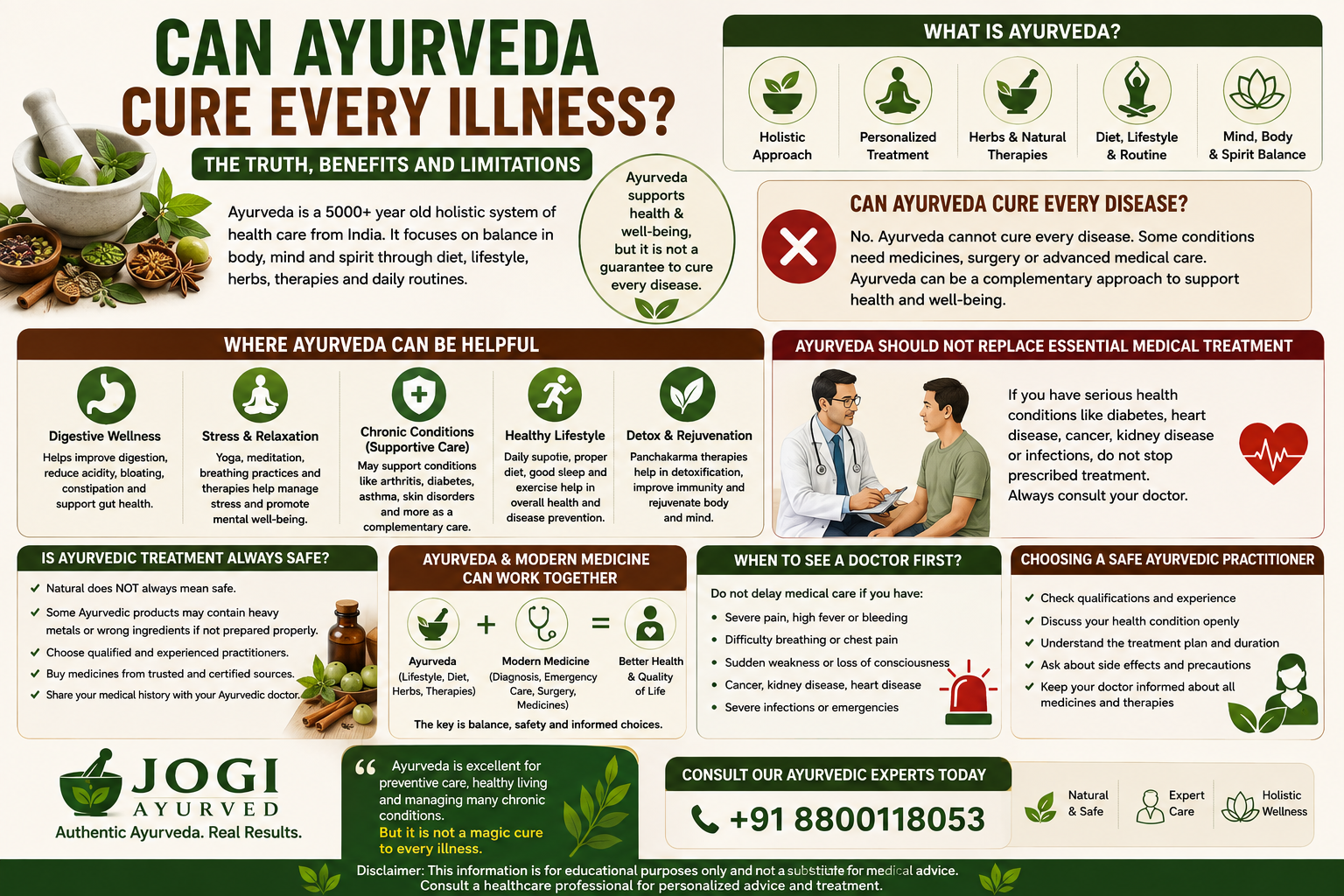
Our recommendations are based on a detailed clinical assessment. Ayurvedic medicines should always be taken under the supervision of a qualified practitioner. Patients are advised not to discontinue prescribed conventional medications without consulting their treating physician. When appropriate, our Ayurvedic care can complement ongoing medical treatment.
Why Patients Choose JOGI Ayurved
- Experienced Ayurvedic doctors
- Personalized treatment plans
- Holistic approach to chronic diseases
- Authentic Ayurvedic therapies
- Panchakarma treatment programs
- Customized diet and lifestyle guidance
- Online and in-clinic consultations
- Continuous follow-up and patient support
Medical Disclaimer
The information provided on this page is intended for educational purposes only and should not be considered a substitute for professional medical advice, diagnosis, or treatment. Individual results vary depending on age, health status, medical history, and adherence to the prescribed treatment plan. Always consult a qualified healthcare professional before starting any new treatment.
Frequently Asked Questions (FAQs)
Can Ayurveda cure thyroid disorders permanently?
Thyroid disorders are often chronic conditions. Ayurveda focuses on improving overall health, supporting metabolic balance, and managing symptoms through personalized care. Individual outcomes vary.
Can I continue my thyroid medication?
Yes. Do not stop or change prescribed thyroid medication without consulting your endocrinologist or healthcare provider. Ayurvedic care can often complement conventional treatment under professional supervision.
Is Panchakarma useful for thyroid disorders?
Panchakarma may be recommended for selected patients after an Ayurvedic evaluation. Treatment is always personalized.
Which diet is best for thyroid disorders?
A balanced diet rich in vegetables, fruits, whole grains, lean proteins, and healthy fats is generally recommended. Individual dietary advice depends on your medical condition and nutritional needs.
Can Ayurveda help with hypothyroidism and hyperthyroidism?
Ayurvedic care may support overall health and symptom management for both conditions. Treatment differs depending on the individual’s diagnosis, constitution, and overall health status.
How long does Ayurvedic treatment take?
The duration depends on:
- Type of thyroid disorder
- Severity
- Age
- Lifestyle
- Associated medical conditions
- Treatment adherence
Regular follow-up is essential for long-term management.
Book Your Thyroid Consultation at JOGI Ayurved
If you are experiencing symptoms such as fatigue, unexplained weight changes, irregular metabolism, or hormonal imbalance, consult our experienced Ayurvedic doctors.
At JOGI Ayurved, we create personalized treatment plans based on your body constitution, lifestyle, thyroid reports, and health goals. Your care may include Ayurvedic medicines, Panchakarma therapies, dietary guidance, yoga recommendations, and lifestyle counseling.
Take the first step toward balanced thyroid health. Schedule your Ayurvedic consultation with JOGI Ayurved today. Call +91 8800118053.